High protein pasta, where the protein is the chicken and not the box
Chicken and tomato pasta at 54 g protein a plate. Most high protein pasta recipes lean on the box, and this compares what each kind of pasta is actually worth.
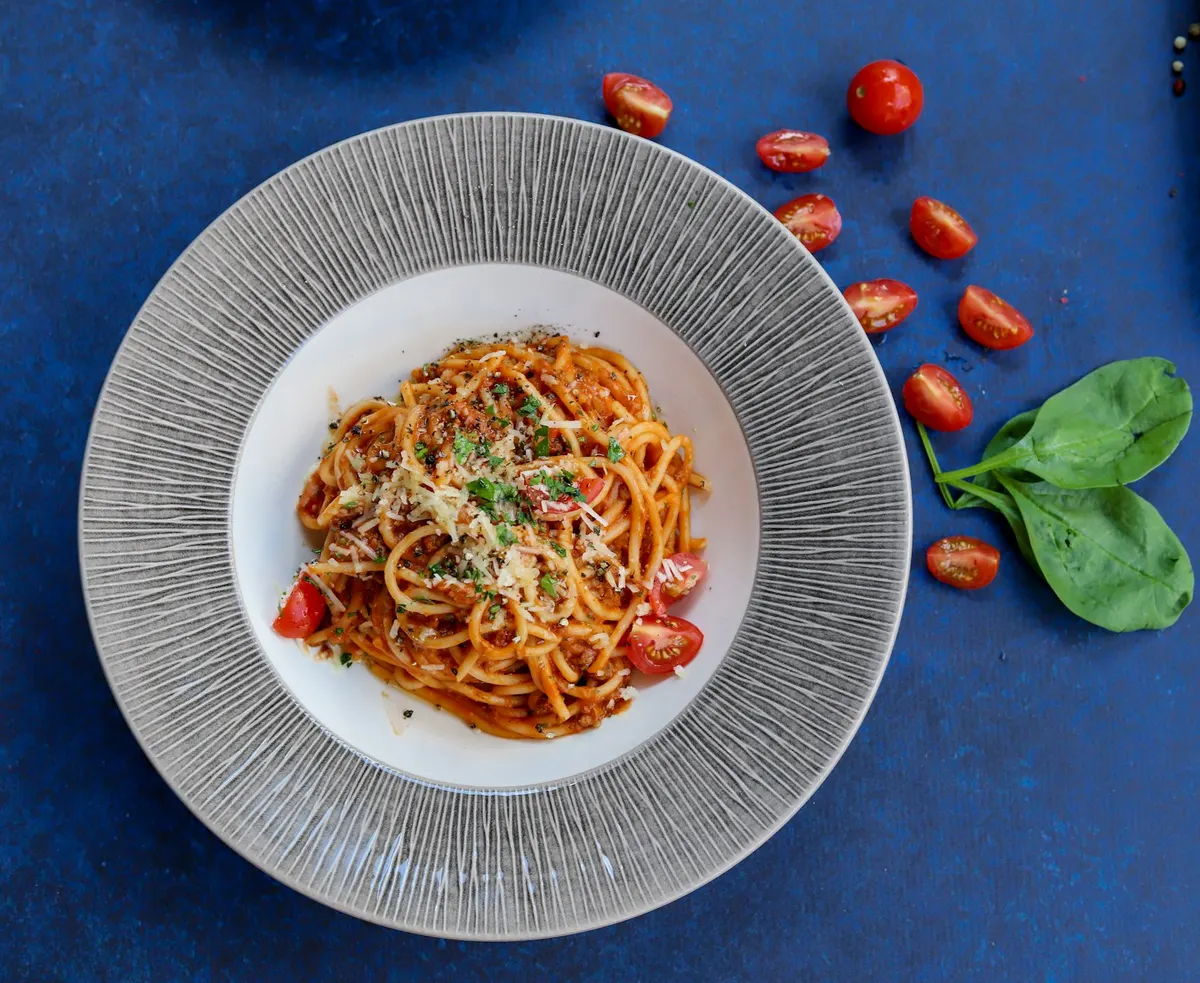
Adjust this recipe
Ingredients
- 400 g pasta, dried, any shape that holds sauce
- 600 g chicken breast, cut into thin strips
- 600 g passata, or tinned tomatoes, blitzed
- 160 g onion, finely chopped
- 4 clove garlic, sliced
- 60 g parmesan, finely grated, plus more at the table
- 4 tsp olive oil
- 20 g fresh basil, torn, at the end
- 1 tsp chilli flakes, optional
Method
- Put the pasta water on and salt it properly. The sauce below is deliberately lean, so the pasta itself has to carry seasoning.
- Heat the oil in a wide pan and cook the chicken strips in a single layer for about 3 minutes, turning once, until just coloured. Take them out while they are slightly underdone. They go back in later and breast has a two minute window between cooked and dry.
- In the same pan, cook the onion for 5 minutes until soft, then add the garlic and chilli flakes for 30 seconds.
- Pour in the passata and simmer for 8 minutes, until it darkens and thickens enough to leave a trail when you drag a spoon through it. A thin sauce slides off pasta and pools at the bottom of the bowl.
- Cook the pasta one minute short of the packet time and keep a mugful of the water before you drain it.
- Return the chicken and any juices to the sauce, add the drained pasta and toss over a low heat for a minute, loosening with the pasta water a splash at a time until the sauce clings rather than sits.
- Off the heat, stir through the parmesan and the basil. Adding the cheese off the heat keeps it creamy instead of stringy.
Most high protein pasta recipes are really recipes for high protein pasta, with the emphasis on the box. Swap the wheat for chickpea or lentil, add a jar of sauce, and call it 30 g.
The pasta is the smallest lever available. The chicken is the biggest, and it is also the cheapest.
What kind of pasta is highest in protein
This is worth a table, because the differences are real and smaller than the packaging suggests.
| Per 100 g dried | Protein | Carbs |
|---|---|---|
| Regular wheat pasta | about 12 g | about 71 g |
| Higher-protein wheat blends | about 20 g | about 63 g |
| Chickpea pasta | about 20 g | about 57 g |
| Red lentil pasta | about 24 g | about 56 g |
Estimates from typical ingredient values, and brands vary more than these categories do, so read the box you actually own.
Moving from wheat to chickpea is worth roughly 7 to 8 g of protein a serving. That is a genuine gain and it is about a seventh of what this plate carries. The chicken is worth 34 g on its own.
So the honest order of operations is: put protein in the sauce first, then change the pasta if you want the extra, not the other way round.
Is protein pasta actually worth buying
Sometimes, and it depends what is bothering you.
Chickpea and lentil pasta bring more fibre as well as more protein, which is a real benefit. They also cook differently: they go from firm to mushy faster, they release much more starch into the water, and they have a distinct flavour that tomato handles well and a delicate sauce does not.
If you are eating pasta once a week, the wheat box and more chicken is the simpler answer. If you eat it three times a week and you are chasing a number, the swap earns its price. The toggle above applies it either way.
Why the chicken comes out of the pan
Breast is the leanest useful protein here and it is unforgiving. It has roughly a two minute window between cooked and dry, and if it sits in a simmering sauce for the eight minutes the tomatoes need, it will be on the wrong side of that.
Cook it first, take it out while it is slightly underdone, and return it at the end with its juices. It finishes in the residual heat. This is the single step that separates a good version of this from a dry one.
Thighs are more forgiving if you would rather not think about it. They cost about 4 g of protein and add about 2 g of fat a serving, which is a fair trade for a distracted Tuesday.
The sauce has to thicken before the pasta arrives
A lean tomato sauce has no fat or cream holding it together, so the only thing making it cling is reduction and the starch off the pasta.
Give the passata its full eight minutes. It should darken and leave a trail when you drag a spoon through the pan. Then loosen it with pasta water rather than plain water, a splash at a time, because that water is full of starch and starch is what makes a sauce coat rather than pool.
If you want it creamy, that is a different sauce and there are two of them here. Cottage cheese pasta sauce blends to a creamy base at 29 g of protein and 13 g of fat, which is the lighter route. Alfredo without cream is butter, parmesan and pasta water, which is the better-tasting one and three times the fat. Heavy cream substitutes covers everything else and what each option costs.
What the swap does
| Version | Calories | Protein | Carbs |
|---|---|---|---|
| As written, wheat pasta | 690 | 54 g | 83 g |
| Chickpea pasta instead | 670 | 61 g | 71 g |
Estimates per serving at four servings. The same swap appears on the cottage cheese sauce page with the same figures, because it is the same 100 g of dried pasta doing the same job.
Neither version is low carbohydrate and neither pretends to be. This is a plate of pasta with a proper amount of chicken on it, which is a different goal from cutting the carbohydrate out, and if that is what you want then the low carb pad thai is a better example of how far that road goes.