Ricotta substitutes, and why cottage cheese is usually the answer
Blended cottage cheese replaces ricotta 1:1 with more protein and under half the fat. What works in lasagna, stuffed shells, cannoli and dairy free.
How they compare, per 100 g
Most substitute guides tell you what works and stop there. If you are choosing partly on macros, here are the numbers side by side.
Whole-milk ricotta carries about 10 g of fat per 100 g. Full-fat cottage cheese has less than half of that with more protein, while cream cheese has more than three times as much and mascarpone more than four times.
| Per 100 g | kcal | Protein | Carbs | Fat |
|---|---|---|---|---|
| Ricotta, whole milk | 150 | 7.5 g | 7.3 g | 10.2 g |
| Ricotta, part skim | 138 | 11.4 g | 5.1 g | 7.9 g |
| Cottage cheese, full fat | 98 | 11.1 g | 3.4 g | 4.3 g |
| Greek yogurt, strained | 97 | 9 g | 4 g | 5 g |
| Firm tofu | 144 | 17.3 g | 2.8 g | 8.7 g |
| Cream cheese | 350 | 6 g | 5.5 g | 34 g |
| Mascarpone | 429 | 4.6 g | 3 g | 44 g |
Typical values, rounded. Brands vary, so treat these as estimates for comparing options rather than exact figures.
Every option, and when to use it
Which one works depends on what the ingredient is doing in the recipe, so here is the full list, with where each one fails.
| Use | How much | Best for |
|---|---|---|
| Cottage cheese, blended | 1:1 | lasagna, stuffed shells, baked ziti and manicotti Watch out: saltier than ricotta, and fat-free versions weep water in the oven |
| Cottage cheese, straight from the tub | 1:1 | lasagna where a few visible curds do not bother you Watch out: the curds show when you cut a slice |
| Greek yogurt, strained | 1:1 | dips, spreads and cold dishes Watch out: tangier, and loose in a baked filling unless an egg and some parmesan go in with it |
| Cream cheese, loosened with milk | 3/4 cup cream cheese with 1/4 cup milk per cup of ricotta | cheesecake and rich baked pasta Watch out: more than three times the fat, and a denser filling |
| Mascarpone | 1:1 | cannoli filling and desserts Watch out: more than four times the fat of ricotta |
| Fresh goat cheese | 1:1 | dollops on pizza and toast Watch out: tangy and crumbly, so it will not bind a filling |
| Firm tofu, blended with lemon juice and salt | 1:1 | dairy-free and vegan lasagna or stuffed shells Watch out: bland until it is seasoned properly |
| Béchamel sauce | in place of the ricotta layer | lasagna, the way it is made in Bologna Watch out: a different dish rather than a like-for-like swap |
Blended cottage cheese replaces ricotta 1:1, with more protein and less than half the fat: about 11 g of protein per 100 g against 7.5 g, by USDA figures. Once it is blended smooth, a lasagna or a tray of stuffed shells will not give it away. Drain it first if it looks wet, and taste the filling before you salt it.
The rest of this page is which substitute suits which dish, and the two things that go wrong when you swap.
What ricotta is doing in the recipe
Ricotta brings three things: moisture, a mild milky flavour, and a soft set once an egg and some grated cheese go in with it. Italian ricotta is traditionally made by reheating the whey left over from cheesemaking, which is where the name comes from: it means recooked.
A good substitute has to match the moisture most of all. Too wet and the filling runs into the pasta; too dry and it turns chalky. That is why draining matters as much as which substitute you choose.
Can you use cottage cheese instead of ricotta?
Yes, and for most savoury dishes it is the one to reach for. It wins on protein and on fat, whether you go by USDA’s figures or by the labels on US tubs.
| Per 100 g | Protein | Fat | kcal |
|---|---|---|---|
| Ricotta, whole milk, USDA | 7.5 g | 10.2 g | 150 |
| Ricotta, whole milk, median of 6 US brands | 9 g | 11.1 g | 157 |
| Galbani whole-milk ricotta, from its label | 6.5 g | 11.3 g | 161 |
| Cottage cheese, full fat, USDA | 11.1 g | 4.3 g | 98 |
| Cottage cheese, full fat, median of 16 US brands | 10.6 g | 4.4 g | 97 |
The USDA rows are FoodData Central entries 170851 and 172179, and USDA’s newer Foundation Foods analysis puts the two at 7.8 g and 11.6 g of protein, the same gap. Older versions of the table gave ricotta 11.3 g and 13 g of fat, and those figures are still repeated on nutrition sites, which is why you will read that the two cheeses carry the same protein. On current figures cottage cheese has about half as much protein again. Against the ricotta on US shelves the margin is smaller, and against Galbani’s it is larger.
The brand rows come from Open Food Facts, checked on 18 September 2026, with each brand’s products reduced to one median first so a brand sold in five sizes does not count five times. Galbani’s label gives 4 g of protein per quarter cup. Contains information from Open Food Facts, available under the Open Database License.
Two things go wrong:
- Visible curds. Blend it until completely smooth, a minute in a blender or with a stick blender. Unblended cottage cheese works, but the curds show when you cut a slice.
- A watery filling. Drain it in a sieve for ten minutes if there is liquid on top, and avoid fat-free cottage cheese in anything baked, because it releases more water in the oven.
Cottage cheese is also noticeably saltier than ricotta, nearly three times the sodium by USDA figures, 315 mg per 100 g against 110 mg, so leave the salt out of the filling until you have tasted it.
For how blended cottage cheese behaves with heat, the cottage cheese pasta sauce covers why it splits in a hot pan and how to stop it.
Which substitute for which dish
| You are making | Use | Why |
|---|---|---|
| Lasagna | Blended cottage cheese, or béchamel | Cottage cheese matches the layer; béchamel is how Bologna makes it |
| Stuffed shells, manicotti, baked ziti | Blended cottage cheese with an egg and parmesan | Sets the same way in the oven |
| Ravioli | Drained cottage cheese, blended, with parmesan | A filling for fresh pasta has to be dry |
| Cannoli and desserts | Mascarpone, or drained cottage cheese for a lighter filling | Needs body that holds its shape |
| Pizza and toast | Fresh goat cheese or cottage cheese | Dollops, so binding does not matter |
| Meatballs | Milk-soaked breadcrumbs | They keep meatballs tender, which is ricotta’s job there |
| Dips and spreads | Strained Greek yogurt | Cold, so its looseness does not matter |
| Dairy free or vegan | Firm tofu blended with lemon juice and salt | The closest texture without dairy |
In lasagna
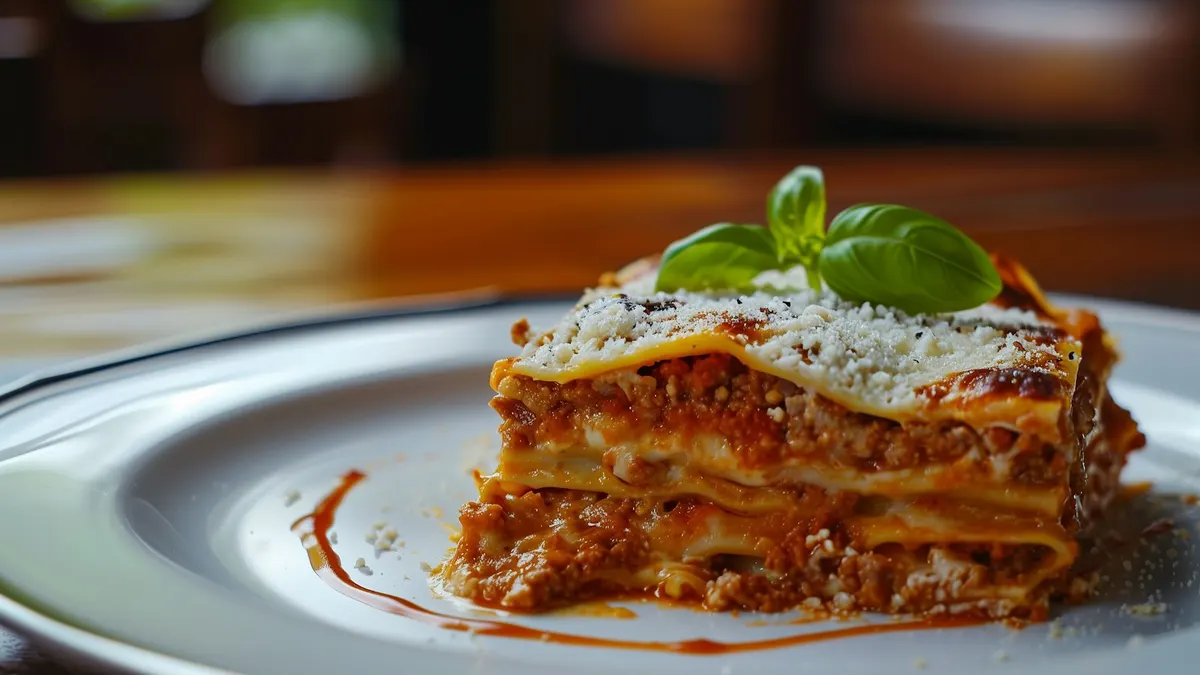
Blend the cottage cheese, then mix it with an egg and a handful of grated parmesan exactly as you would ricotta. The egg is what makes the layer set, and it works the same with either cheese. The cottage cheese lasagna is the whole dish built this way, with what ricotta would add to each slice.
If you have no ricotta and no cottage cheese, make a béchamel. That is not a compromise: the lasagna of Bologna is layered with ragù and béchamel, and ricotta belongs to other Italian and Italian-American versions.
In stuffed shells, manicotti and baked ziti
The same blended cottage cheese, egg and parmesan mix, with mozzarella if the recipe calls for it. These bake covered in sauce, which hides any small difference in texture.
In ravioli
Fresh pasta needs a dry filling, or the ravioli burst and the dough goes soggy. Drain the cottage cheese well, blend it, and stiffen it with grated parmesan. Greek yogurt is too wet here, even strained.
In cannoli and desserts
Traditional cannoli filling is thick, sweetened ricotta. Mascarpone is the closest in richness and holds its shape, at more than four times the fat. Blended, well drained cottage cheese makes a lighter filling, softer and a little saltier, so sweeten it to taste.
In meatballs
Ricotta keeps meatballs tender. Breadcrumbs soaked in milk do the same job, and that is how the turkey meatballs on this site stay soft without any cheese in the mix.
Greek yogurt, cream cheese and sour cream
Greek yogurt works 1:1 in dips, spreads and anything cold. In a baked filling it is looser and tangier, so strain it, add an egg and some parmesan, and use full fat or 2% rather than fat-free.
Cream cheese needs loosening: 3/4 cup of cream cheese with 1/4 cup of milk replaces a cup of ricotta. It suits cheesecake and rich baked pasta, and makes everything denser. More on it in cream cheese substitutes.
Sour cream is too thin and too tangy to stand in for ricotta in a filling. It is fine in a dip.
Dairy-free and vegan ricotta
Blend firm tofu with lemon juice, salt and a little garlic until it has the texture of ricotta. Season it more than you think, because tofu tastes of very little. By USDA values, firm tofu set with calcium sulfate carries 17.3 g of protein per 100 g, more than ricotta, with 8.7 g of fat.
Ricotta substitutes in France and Britain
In France, cooks reach for faisselle, a fresh cheese sold still draining in its mould, or thick fromage blanc, both drained before they go into a filling. Brousse from Provence and brocciu from Corsica are the closest in style.
In Britain, ricotta is easy to buy, so the substitutes are the same as above. Quark, sold in most British supermarkets and usually fat free, works like drained cottage cheese in a filling, a little tangier.
What the swap does to the macros
Cottage cheese carries more protein than whole-milk ricotta at less than half the fat, which makes it the lighter swap and the higher-protein one in almost everything. Part-skim ricotta sits in between on fat. USDA’s entry for it shows about as much protein as cottage cheese, but that entry rests on samples from the 1970s, where the whole-milk figure was revised in 2017. Firm tofu carries the most protein of anything here. Cream cheese and mascarpone go the other way, and turn a lasagna into a much richer dish.
Macro figures are estimates per 100 g from typical ingredient values, not measurements. The ricotta, cottage cheese and tofu figures are USDA reference values, and the brand medians above show how far the tubs on the shelf move from them.
Corrected on 19 September 2026. This page first used the older USDA figures for whole-milk ricotta, 11.3 g of protein and 13 g of fat per 100 g, and said the swap added no protein. USDA’s current entry gives 7.5 g and 10.2 g, so it does.
Dishes to make next
- Cottage cheese lasagna, with the ricotta question answeredThe swap from this page in a whole lasagna, with what ricotta would add to each slice.
- Cottage cheese pasta sauce, blended properlyThe same blended cottage cheese under heat: why it splits in a hot pan, and how to stop it.
- Healthy lasagna soup, with the cheese on top where you can see itLasagna soup topped with blended cottage cheese in place of the ricotta, for 2 g less fat a bowl.
- Turkey meatballs that stay soft, because of the milkTender meatballs with no ricotta: breadcrumbs soaked in milk do the same job.
Common questions
Yes, 1:1, and it is the best substitute for lasagna and stuffed shells. Blend it smooth first so the curds do not show, drain it in a sieve if it looks wet, and taste the filling before adding salt, because cottage cheese is saltier. By USDA figures it carries about 11 g of protein per 100 g against 7.5 g for whole-milk ricotta, with less than half the fat.
Mostly faisselle, a fresh cheese sold still draining in its mould, or thick fromage blanc, both drained before they go into a filling so it does not turn wet. In Provence there is brousse, a soft fresh cheese, and in Corsica brocciu, a whey cheese made much the way ricotta is.
Yes, but loosen it first: mix 3/4 cup of cream cheese with 1/4 cup of milk for each cup of ricotta. It works in cheesecake and rich baked pasta. Expect a denser, heavier result, because cream cheese carries about 34 g of fat per 100 g against about 10 g for whole-milk ricotta.
In dips, spreads and cold dishes, yes, 1:1, with a tangier flavour. In a baked filling such as lasagna it is looser than ricotta, so strain it first and mix in an egg and some grated parmesan to help it set. Plain full-fat or 2% holds up better in the oven than fat-free.
You can, softened and loosened with a little milk, and the lasagna will be richer and denser. Blended cottage cheese is the closer match in lasagna, and a béchamel layer is the traditional alternative: lasagna as it is made in Bologna uses béchamel rather than ricotta.