Soy sauce substitutes, for gluten-free, soy-free or less salt
Tamari replaces soy sauce 1:1 and is usually gluten-free. Coconut aminos is soy-free with about a third of the sodium, and Worcestershire works at half the amount.
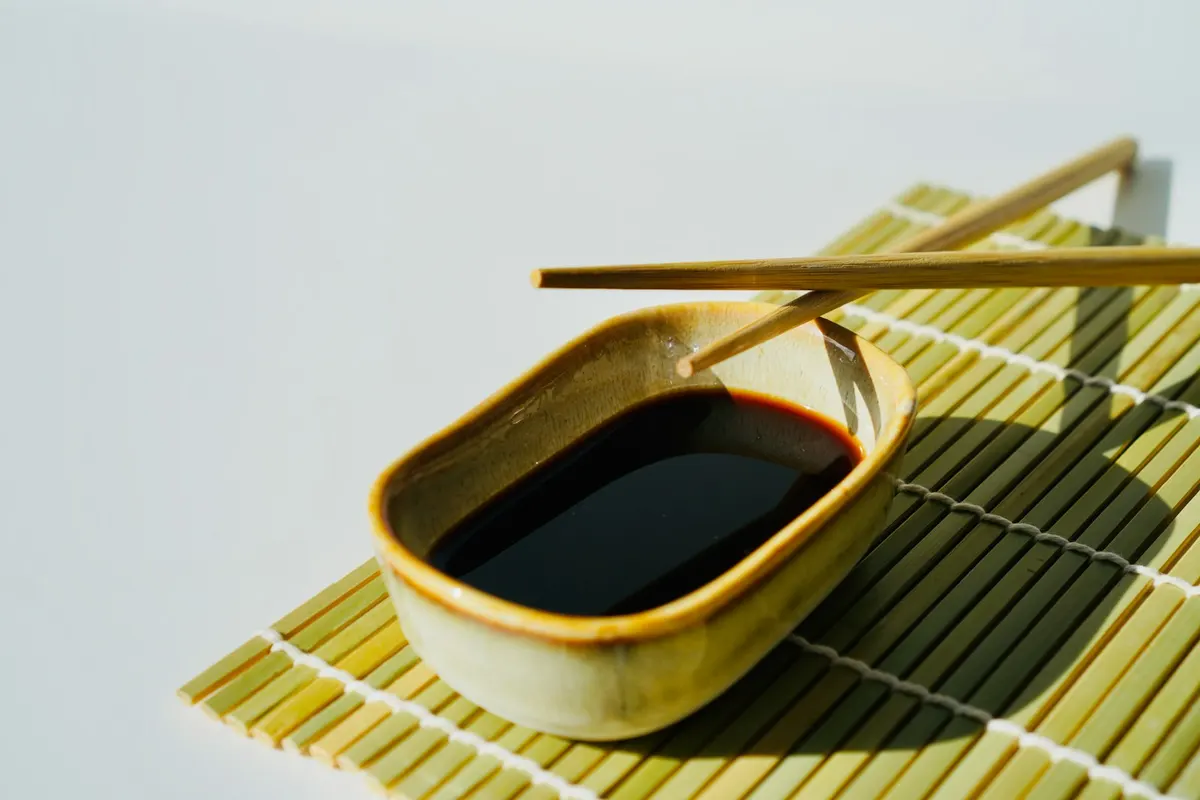
Every option, and when to use it
Which one works depends on what the ingredient is doing in the recipe, so here is the full list, with where each one fails.
| Use | How much | Best for |
|---|---|---|
| Tamari | 1:1 | anything, and the usual gluten-free choice Watch out: most is wheat-free, but some contains a little wheat, so check the label |
| Coconut aminos | 1:1, with a pinch of salt if it tastes flat | soy-free and gluten-free cooking, and cutting sodium Watch out: sweeter and milder than soy sauce |
| Liquid aminos | 1:1 | gluten-free cooking Watch out: made from soy, and about as salty as soy sauce |
| Low-sodium soy sauce | 1:1 | the same dishes with about 40% less sodium Watch out: still made from soy and wheat |
| Worcestershire sauce | half the amount, tasting as you go | marinades, stews and gravy Watch out: sour and spiced; contains anchovies, and British bottles contain barley |
| Fish sauce and lemon juice | two parts fish sauce to one part lemon juice | stir-fries, fried rice and Southeast Asian dishes Watch out: saltier than soy sauce, and not vegetarian |
| Mushroom broth with salt | 1:1, salted to taste | soy-free and gluten-free soups and braises Watch out: much milder, and it adds liquid |
| Teriyaki sauce | 1:1, thinned with a little water | stir-fries and marinades Watch out: sweet, so cut any other sugar in the recipe |
| Ponzu | 1:1 | dipping sauces and marinades Watch out: sharper and sweeter, with citrus |
| Miso thinned with water | loosened to the thickness of soy sauce | soups, dressings and glazes Watch out: made from soy, so no help with an allergy |
| Yeast extract, such as Marmite | a little, dissolved in hot water | soy-free, vegetarian savoury cooking Watch out: very strong, and made from brewers' yeast grown on grain |
The right soy sauce substitute depends on why you need one. If you have simply run out, tamari or liquid aminos swap in 1:1 and taste almost the same. If it is gluten, soy or sodium you are avoiding, the answer changes, and some of the usual suggestions do not avoid what you think.
Which substitute for which need
| You need | Use | Watch out |
|---|---|---|
| A straight swap | Tamari or liquid aminos, 1:1 | Both are made from soy |
| Gluten-free | Tamari or soy sauce labelled gluten free, or coconut aminos | Some tamari contains a little wheat |
| Soy-free | Coconut aminos, 1:1 | Sweeter and milder |
| Less sodium | Coconut aminos, or low-sodium soy sauce | See the sodium table |
| Vegetarian and soy-free | Coconut aminos, or yeast extract dissolved in hot water | Yeast extract is strong and not gluten-free |
| A marinade or stew, and nothing else in | Worcestershire sauce, at half the amount | It contains anchovies |
Tamari and soy sauce
Tamari is a Japanese soy sauce made mostly or entirely from soybeans, where ordinary soy sauce is typically brewed from soy and wheat in roughly equal parts (Spoonful, a dietitian’s explainer). It tastes a little richer, and it swaps 1:1 in either direction (Food Network). So if a recipe asks for tamari and you have soy sauce, use it, unless the recipe is gluten-free for a reason.
Tamari is not lower in salt, whatever you may read. By USDA’s figures it carries about the same sodium as soy sauce by weight, and a little more per tablespoon.
Gluten-free soy sauce substitutes
Most soy sauce contains wheat: regular Kikkoman lists water, soybeans, wheat and salt (Spoonful). Tamari is the usual answer, but some tamari is made with a little wheat too, so look for the words gluten free rather than the word tamari. Coeliac UK’s product list includes gluten-free tamari and gluten-free soy sauce from several brands.
Coconut aminos and liquid aminos are gluten-free as well (Food Network). One swap that often gets suggested is not: Worcestershire sauce made to the British recipe uses malt vinegar from barley, as the Worcestershire page explains.
Soy-free soy sauce substitutes
Coconut aminos is the usual one: it is made from fermented coconut sap rather than soy (Food Network), and it swaps 1:1. It is sweeter and milder, so add a pinch of salt if the dish tastes flat. Not every cook rates it: Omnivore’s Cookbook does not recommend it in place of any kind of soy sauce, and The Woks of Life suggest it for a soy allergy while noting they have not cooked with it.
Without coconut aminos, the options are savoury rather than soy-like. Food Network salts mushroom broth to taste and uses it 1:1. Allrecipes has a soy-free mix of bouillon, balsamic vinegar and molasses; check the bouillon, since some contain soy or wheat. And in the Guardian, Yotam Ottolenghi points a soy-allergic vegetarian reader towards Marmite, which is made from yeast rather than soy.
Liquid aminos, miso, tamari and teriyaki all contain soy, so none of them helps with an allergy.
Dark soy sauce substitute
In Chinese cooking, dark soy sauce is thicker, darker and a little sweeter than light or regular soy sauce, and it is used in small amounts, mostly for colour. So The Woks of Life’s advice is to leave it out or use regular soy sauce: the dish comes out lighter but still tastes right (The Woks of Life). If you want the colour, mix 2 teaspoons of regular soy sauce with 1/2 teaspoon of molasses and 1/8 teaspoon of sugar.
Two cautions. Dark soy sauce is saltier than it tastes, carrying more salt than light soy sauce under its sweetness, so do not add extra regular soy sauce to make up for it (Omnivore’s Cookbook). And do not confuse it with Indonesian kecap manis or Thai sweet soy sauce, which are far sweeter (The Woks of Life).
Sweet soy sauce substitute
Kecap manis is soy sauce thickened and sweetened with palm sugar. To make a stand-in, simmer soy sauce with dark brown sugar until it turns syrupy: Healthy Gluten Free Asian uses 1 cup of soy sauce to 3/4 cup of dark brown sugar, or 1/2 cup of blackstrap molasses, with a little potato starch to thicken it. It thickens further as it cools.
Worcestershire sauce in place of soy sauce
It works in marinades, stews and gravies, where its sourness and spice disappear into the dish. Start with half the amount and taste. Food Network swaps it 1:1, but Worcestershire is sourer and spicier than soy sauce, and much less salty: about a quarter of the sodium per tablespoon. It is not vegetarian, since it contains anchovies. The Worcestershire page covers the swap the other way round.
How much sodium each swap carries
| In place of 1 tbsp soy sauce | Sodium | Against soy sauce |
|---|---|---|
| Soy sauce, for comparison | 878 mg | same |
| Tamari, 1:1 | 1,006 mg | about the same by weight |
| Liquid aminos, 1:1 | 960 mg | about the same |
| Fish sauce and lemon juice, 2:1 | 942 mg | about 7% more |
| Teriyaki sauce, 1:1 | 689 mg | 22% less |
| Low-sodium soy sauce, 1:1 | 511 mg | 42% less |
| Coconut aminos, 1:1 | 270 mg | 69% less |
| Worcestershire sauce, 1:1 | 221 mg | 75% less |
USDA figures (USDA), with liquid aminos from Bragg’s label (320 mg a teaspoon) and coconut aminos from Coconut Secret’s (270 mg a tablespoon). A tablespoon of soy sauce is already more than a third of the 2,300 mg Daily Value, so the swaps that matter for anyone watching sodium are coconut aminos and low-sodium soy sauce. Coconut aminos brings a little sugar in exchange, about 3 g a tablespoon by its label, where soy sauce has almost none.
Common questions
Tamari is the closest, 1:1. Liquid aminos and coconut aminos also swap 1:1, coconut aminos being sweeter. Without any of those, use Worcestershire sauce at about half the amount, or fish sauce stretched with a little lemon juice.
Yes, in marinades, stews and gravies. Start with half the amount and taste: it is sourer and spicier than soy sauce, though much less salty, at about a quarter of the sodium per tablespoon. It contains anchovies, and British bottles are made with malt vinegar from barley.
Real soy sauce is fermented for months, so there is no quick version. For the salty, savoury effect, Food Network salts mushroom broth to taste, and Allrecipes has a soy-free mix of bouillon, balsamic vinegar and molasses that keeps in the fridge.
Soy sauce tastes of salt, savouriness and a little sweetness, so any swap needs the first two. Salted mushroom broth, a little yeast extract such as Marmite dissolved in hot water, or bouillon with molasses all get close in cooked dishes, though none tastes the same on its own.
Regular soy sauce, or leave it out: dark soy sauce is mostly there for colour, so the dish comes out lighter but still tastes right, as The Woks of Life explains. For the colour and sweetness, mix 2 teaspoons of soy sauce with 1/2 teaspoon of molasses and 1/8 teaspoon of sugar.
Usually not. Most soy sauce is brewed with wheat, and the ingredient list will say so. Tamari is often wheat-free and gluten-free soy sauces exist, but some tamari contains a little wheat, so look for the words gluten free.