Mayonnaise substitutes, ranked by what you are actually making
Greek yogurt replaces mayonnaise 1:1 in most cold dishes and cuts around 9 g fat per serving. What works in tuna salad, coleslaw, baking and sandwiches.
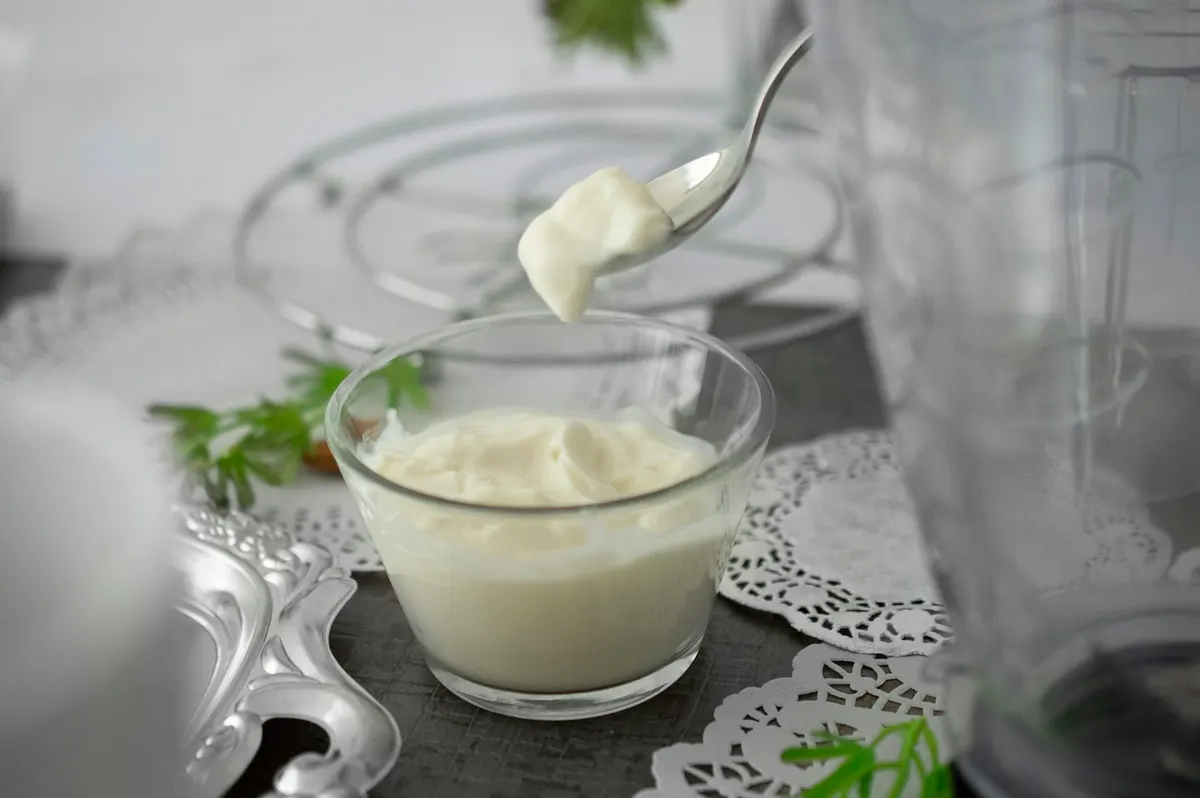
The swap ReciPop makes
Pick a goal of less fat or more protein and the app rewrites this line for you.
Estimates, not measurements. Typical effect of this swap per serving, which will vary with brand and quantity.
What this swap does to your recipe
Swapping mayonnaise for greek yogurt. Set how many servings your recipe makes and see the change across the whole dish.
| Change | Per serving | Whole dish |
|---|---|---|
| Calories | -70 | -280 |
| Protein | +3 g | +12 g |
| Carbs | +1 g | +4 g |
| Fat | -9 g | -36 g |
Estimates, not measurements. The per-serving figure is this swap's typical effect and moves with the brand and quantity you use.
How they compare, per 100 g
Most substitute guides tell you what works and stop there. If you are choosing partly on macros, here are the numbers side by side.
Mayonnaise is roughly 75 percent fat, which makes this the widest gap on any page here. That is also why it is the one swap you will actually taste: almost everything else on the list is mostly water, and fat is what made the mayonnaise feel like mayonnaise.
| Per 100 g | kcal | Protein | Carbs | Fat |
|---|---|---|---|---|
| Mayonnaise | 680 | 1 g | 0.6 g | 75 g |
| Plain Greek yogurt | 59 | 10 g | 3.6 g | 0.4 g |
| Mashed avocado | 160 | 2 g | 8.5 g | 15 g |
| Hummus | 166 | 7.9 g | 14 g | 9.6 g |
| Blended cottage cheese | 98 | 11 g | 3.4 g | 4.3 g |
| Mustard | 66 | 4.4 g | 5.8 g | 3.4 g |
| Sour cream | 198 | 2.4 g | 4.6 g | 19 g |
| Unsweetened applesauce | 42 | 0.2 g | 11 g | 0.1 g |
Typical values, rounded. Brands vary, so treat these as estimates for comparing options rather than exact figures.
Every option, and when to use it
ReciPop picks one swap because it is optimising for your macro goal. Cooking is broader than that, so here is the full list including the ones the app does not reach for.
| Use | How much | Best for |
|---|---|---|
| Plain Greek yogurt | 1:1 | tuna and chicken salad, coleslaw, dips, and sandwiches Watch out: tangier than mayo, so start with three quarters and taste |
| Mashed avocado | 1:1 | sandwiches and wraps Watch out: browns within hours, so make it the day you eat it |
| Hummus | 1:1 | sandwiches, wraps, and as a binder in salads |
| Blended cottage cheese | 1:1, blended completely smooth | the highest-protein version of a creamy salad Watch out: grainy if you under-blend it |
| Mustard | about half, it is much stronger | potato salad, dressings, and sandwiches Watch out: adds sharpness rather than creaminess, so it changes the dish |
| Sour cream or creme fraiche | 1:1 | coleslaw and creamy dressings Watch out: lower in fat than mayo but not by much, so barely a saving |
| Unsweetened applesauce | 1:1, in baking only | cakes where mayo was providing moisture and fat Watch out: useless anywhere savoury |
Pick by dish, not by ingredient
Mayonnaise does three different jobs depending on where it turns up, and the right substitute depends entirely on which job it was doing.
In a salad it is a binder. In a sandwich it is a spread. In a cake it is fat and moisture. Nothing replaces all three, which is why generic lists of “ten mayo substitutes” are unhelpful.
For tuna, chicken, and egg salad
Greek yogurt, 1:1, and this is the swap worth knowing. It binds the same way, holds up in the fridge, and takes the dish from mayonnaise-heavy to something with real protein in it.
The one adjustment: yogurt is tangier. Start with about three quarters of the quantity, taste, and add from there. A teaspoon of Dijon covers the flavour gap and costs you almost nothing.
Shopping in Britain it is spelled yoghurt, and the tub to reach past is the one marked Greek style. That one is thickened rather than strained, so it binds much the same and brings almost none of the protein that made this swap worth doing. The difference in full.
For coleslaw
Greek yogurt again, but loosen it. Coleslaw dressing needs to coat, not clump, so thin it with a splash of vinegar and a pinch of sugar. Cabbage releases water as it sits, so make it slightly thicker than you want it.
For sandwiches
Mashed avocado, hummus, or yogurt with mustard stirred in. All three spread and stay put.
Avocado is the best texturally and the worst practically, because it browns within a few hours. Fine for a sandwich you eat at lunch, wrong for one you make the night before. Lemon juice slows it down but does not stop it.
For baking
Unsweetened applesauce, 1:1. Mayonnaise in a cake is not there for flavour, it is fat and moisture, and applesauce covers the moisture. The crumb comes out a little denser. Plain yogurt keeps you closer to the original if that matters.
Can you use Miracle Whip instead of mayonnaise?
You can, and you will taste it, so it is worth knowing what changes before you decide.
Miracle Whip is not mayonnaise with a different label. It has less oil, more vinegar, and added sugar and spice, so it is tangier, sweeter and noticeably lighter. That is why it carries fewer calories and less fat than mayonnaise, and why it is not a neutral swap.
In a coleslaw or a potato salad, where sweetness already belongs, most people never notice. In a tuna sandwich or an aioli, where mayonnaise is supposed to be rich and savoury, the sugar is obvious and the dish tastes slightly off without anyone being able to name why.
If you want the lighter macros without the sweetness, Greek yogurt is the better answer, and it is the one this page recommends.
Going the other way, mayonnaise as the substitute
Two of these come up often enough to be worth stating, because both work.
Mayonnaise instead of butter on a grilled cheese. It works, and arguably better. Mayonnaise is oil and egg, it spreads straight from the fridge without tearing the bread, and it browns more evenly than butter, which can catch before the cheese has melted.
Mayonnaise instead of eggs and oil in a chocolate cake or brownies. Also works, and it is not a novelty. Mayonnaise is essentially oil emulsified with egg, which is exactly what the recipe wanted, already combined. The tang disappears completely under cocoa. It will do nothing for the macros.
A dairy-free note
Vegan mayonnaise is a straight 1:1 swap and behaves like the real thing, since it is built to. Mashed avocado and hummus both work as spreads but neither emulsifies, so they are wrong anywhere the mayonnaise was holding a dressing together.
The one people get wrong
Avocado is not a lighter option. It is a different fat, not less of it, and calorie for calorie it lands close to mayonnaise. If you are swapping for texture or to avoid eggs, it is a good answer. If you are swapping to cut fat, it does almost nothing, and plenty of pages imply otherwise.
Greek yogurt is the one that actually moves the numbers: roughly 9 g less fat and 70 fewer calories per serving in a dish serving four, with a few grams of protein gained rather than lost.
Those are estimates from typical ingredient values rather than measurements, and they move with the fat content of the yogurt you buy. A zero-fat yogurt swings further than a 5 percent one.
Common questions
Plain Greek yogurt or blended cottage cheese. Both cut roughly 9 g of fat per serving against mayonnaise while adding protein rather than removing it. Mashed avocado is often called healthy but is similar in calories, since it swaps one kind of fat for another rather than reducing it.
Yes, and it is the single best swap for it. Use it 1:1. Yogurt is tangier, so start with about three quarters of what the recipe asks for, taste, and add more. A spoonful of mustard covers any flavour gap and adds almost nothing to the calories.
Mashed avocado, hummus, or Greek yogurt mixed with a little mustard. All three spread properly and hold up in a sandwich. Avocado browns quickly, so it works for a lunch you eat that day rather than one made the night before.
Unsweetened applesauce, 1:1. Mayonnaise in a cake is there for moisture and fat, not flavour, and applesauce covers the moisture. The crumb ends up slightly denser. Plain yogurt also works and keeps the result closer to the original.
Greek yogurt 1:1, loosened with a little vinegar and a pinch of sugar to get the dressing back to the right consistency. Sour cream also works but saves you very little fat, so it is a flavour choice rather than a lighter one.