Why every recipe macro number is an estimate
Recipe nutrition is calculated from an ingredient list, not measured in a lab. Where the error comes from, how big it is, and why an honest estimate still helps.
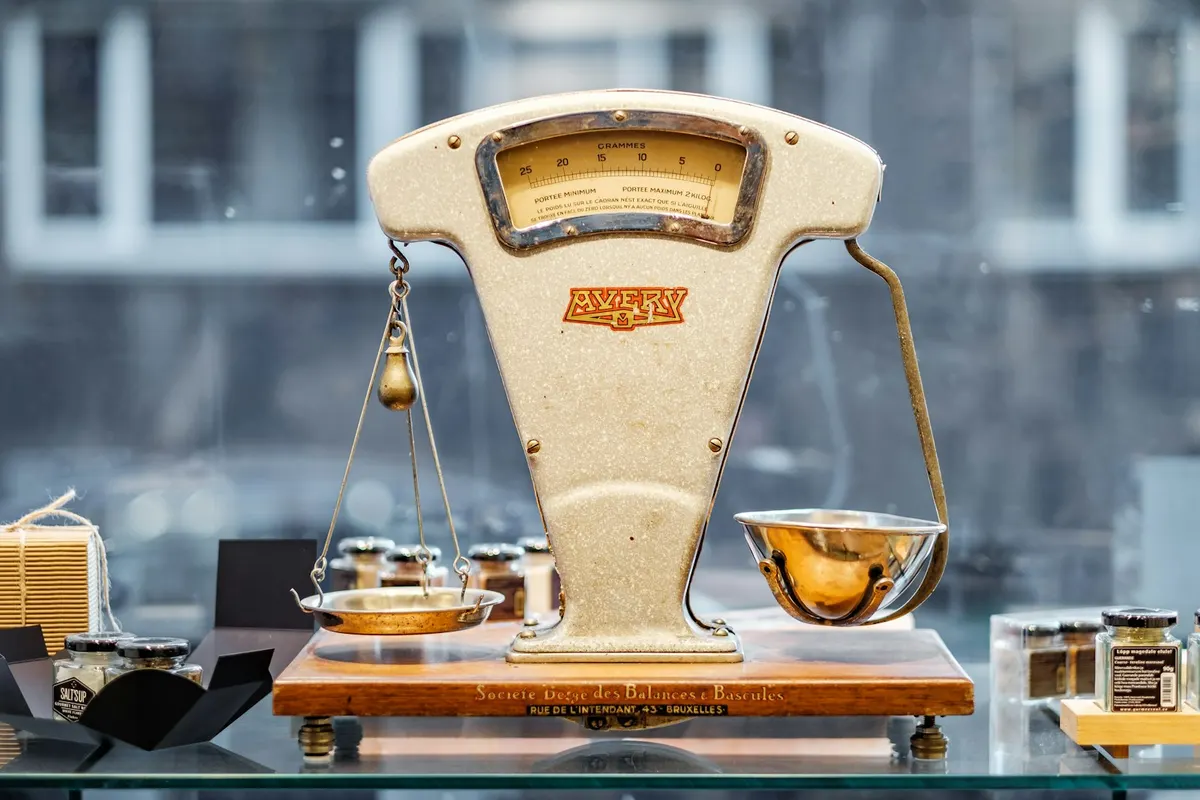
Recipe macros are estimates because they are calculated from an ingredient list, not measured from the finished dish. A lab would burn a sample in a calorimeter or run a chemical assay. Software adds up the known values of the ingredients it can read. Those are different operations, and only one of them is a measurement.
Where the error actually comes from
It is tempting to assume the number is wrong because the database is wrong. That is rarely the main problem. The error stacks up somewhere more mundane.
The ingredient itself varies. A chicken breast is not a fixed object. Fat content differs by bird, by farm, by trimming. Two apples of the same variety can differ by a third in weight. Databases publish averages, and an average is correct in aggregate and wrong for the specific thing on your counter.
“One onion” is not a unit. Recipes are written for humans, who cope fine with a medium onion, a splash of oil, or a knob of butter. Software has to turn those into grams. A generous splash of olive oil versus a careful one is easily a 40 kcal swing on its own.
Cooking changes the mass. Water leaves during roasting. Oil is absorbed during frying. Some of the marinade stays in the dish and some stays in the bowl. Nutrition is usually calculated on raw ingredients, and you eat the cooked result.
Serving counts are editorial. A recipe that says “serves 4” is making an assumption about appetite. If you serve three people, every per-serving number is a third too low, and nothing in the software knows that happened.
That last one is worth repeating, because it is the biggest single source of confusion when a number looks wrong. Check the serving count before you doubt the calculation.
Which number drifts most
Rather than quote an accuracy percentage, it is more useful to know where the drift concentrates, because that tells you which numbers to trust least.
Fat drifts most. Cooking oil is the most energy-dense thing in most recipes and the least precisely specified. “A drizzle” covers a wide range, and whatever stayed in the pan never reached your plate.
Protein drifts least. Protein sources are usually weighed, named specifically, and cooked without much being added or removed. If one number is worth trusting, it is this one, which is convenient given it is the number most people using a macro target actually care about.
Carbohydrate sits in between, and depends mostly on whether the starch was measured raw or cooked.
Why an honest estimate still beats the alternative
The realistic options are not “exact number” versus “estimate”. They are “estimate” versus “no idea at all”.
If you are deciding between two dinners, an estimate is enough. A dish at roughly 500 kcal with 40 g of protein and a dish at roughly 900 kcal with 12 g of protein are not close, and no plausible error bar makes them close. The comparison survives the imprecision easily.
Where estimates fail is where precision genuinely matters: clinical nutrition, managed medical diets, competition weight-making. Recipe software is not the right tool for any of those, and any app that implies otherwise is overselling itself.
What to look for in a number you are shown
Whatever app you use, these are reasonable things to expect:
- Per serving, with the serving count visible. A total for the whole dish dressed up as a portion is the most common way these numbers mislead.
- Labelled as an estimate. If an app presents recipe nutrition as fact, that is a claim it cannot support.
- Sensible rounding. A recipe that claims 487.3 kcal is telling you it does not understand its own error bars. Round numbers are more honest.
- Visible ingredients. If you can see what went into the calculation, you can tell when something looks off.
How ReciPop handles it
ReciPop calculates macros from the ingredients it can read, labels them as estimates everywhere they appear, rounds them sensibly, and always shows the serving count alongside. There is no food diary, no logging, and no streak, because the goal is context for a decision rather than a record of your eating.
The swap feature works the same way. When ReciPop offers Greek yogurt in place of sour cream, the “+6 g protein” it shows is an approximation of that swap’s typical per-serving effect, not a promise about your specific jar of yogurt.
An estimate you can trust to be honest about being an estimate is a genuinely useful thing. A precise-looking number that quietly is not precise is worse than no number at all.
Related reading: how to save recipes from Instagram and TikTok, and what each ingredient swap is actually worth per serving.